Where to Base for Lenca Culture in La Paz, Honduras
 Where to Base for Lenca Culture in La Paz, Honduras
Marcala, the village lanes of Guajiquiro and the Sunday market at Opatoro are all reachable from one practical base in La Paz department.
Why Marcala Is the Practical Base
Marcala sits at roughly 1,300 metres on the CA-11 between La Esperanza and the Salvadoran border, and it is the most comfortable town in La Paz department to sleep in while you visit Lenca communities. The paved highway, the regular buses from La Esperanza and Tegucigalpa, and a compact grid of streets around the Parque Central make it easy to arrive, walk out for dinner and leave early the next morning. Guajiquiro and Opatoro are reached by secondary roads west and south of town.
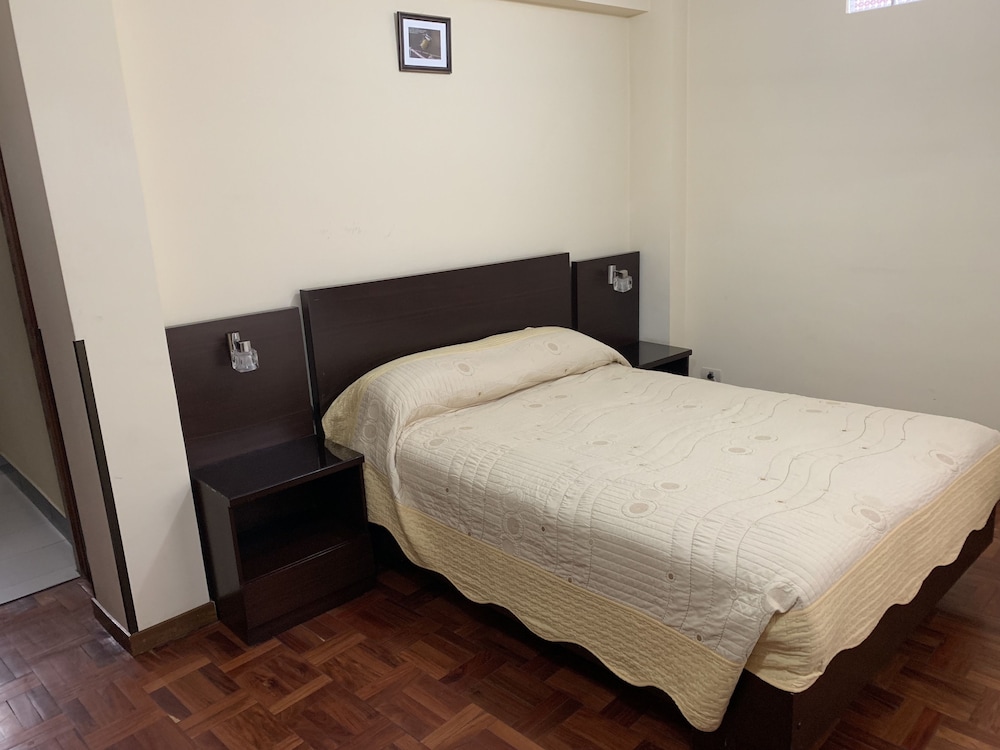
Hotels in Marcala range from simple rooms off the main street to small guesthouses on the edge of the coffee belt, and most are bookable in advance through a regional site rather than a global chain. Pick a place within four or five blocks of the Parque Central so you can walk to breakfast and the bus stop. Anything on the highway out of town saves nothing and costs you the evening stroll.
Guajiquiro: Lenca Heartland, Thin Infrastructure
Guajiquiro is the cultural anchor of this corner of La Paz, a dispersed Lenca municipality of small hamlets, pine ridges and cold nights at over 1,700 metres. Its church and community buildings are the reason people come. The road up from the Marcala side is rough in the dry season and worse after rain, so a 4x4 or a high-clearance pickup is the sensible choice; a sedan will struggle on the last stretch. Allow two hours each way from Marcala and start early.
There is very little formal lodging in Guajiquiro itself, and what exists is basic. I would not base here. Use Marcala as your bed and treat Guajiquiro as a full-day outing, ideally on a weekday when the community is quieter and you are more likely to find someone to talk with about the village's history. Ask locally before photographing people or entering church grounds.
Opatoro and the Sunday Market
Opatoro lies south of Marcala along a secondary road that takes about 90 minutes in good conditions. It is a Lenca town with a strong market tradition, and Sunday is the day to go if you want to see produce, textiles and everyday trade rather than a staged tourist version. The market is busiest from mid-morning. Bring small notes, a hat and water, and expect dust in the dry months from December to April.
Combining Opatoro with Guajiquiro in one day is possible on a map and unwise in practice; the connecting roads are slow and you would spend the whole day in a vehicle. Two separate outings from Marcala work far better. If you have a third day, add a coffee-farm visit near Marcala itself, which needs only a short drive and pairs well with a slow afternoon back in town.
When to Go and What to Book
The dry season from December through April gives the most reliable access to the rural roads around Guajiquiro and Opatoro. May and June turn green and are still workable, but afternoon storms can close the worst stretches. The coolest, wettest months are usually September and October. Whatever the season, mornings are clearer than afternoons, so plan drives before midday and keep a buffer of an hour on any estimate.
Book Marcala accommodation for two or three nights rather than one, because a single night does not give you room for both village outings. For a couple travelling with a rented truck, I would book a guesthouse near the centre, confirm parking in writing, and ask whether the owner can recommend a local driver who knows the Guajiquiro road. Confirm rates and dates directly at booking; published prices vary by season and are best checked for your exact nights.
Before you book
The questions people ask about Marcala, answered with this month’s numbers.
Roughly 30 kilometres by road, but the surface is slow. Expect about two hours each way in good conditions and longer after rain. A high-clearance vehicle is strongly advised, and many visitors hire a local driver rather than self-drive.
Only very basic lodging, and none of it takes advance bookings in a reliable way. Most travellers sleep in Marcala and visit Guajiquiro as a day trip. This is the arrangement I would recommend, especially for a first visit.
Sunday is the main market day, with activity building through the morning. Arrive by mid-morning if you want to see it at full pace. Weekdays are quiet and many stalls are closed.
December to April, the dry season, gives the most dependable driving to Guajiquiro and Opatoro. May and June are green and usually passable. September and October bring the heaviest rain and the worst road conditions.
For Guajiquiro, yes, or at least a high-clearance pickup. Opatoro is easier but still rough in places. A standard sedan can manage the highway to Marcala comfortably, so keep it for town and hire locally for village days.
Three nights covers arrival, one full outing to Guajiquiro and a second to Opatoro, with a relaxed morning before departure. Two nights works only if you pick one village. Ask the hotel to confirm parking and check-in times in writing.
Regular buses run from La Esperanza and from Tegucigalpa on the CA-11, dropping passengers near the centre of Marcala. From there, arrange a driver for village days through your hotel. The road from La Esperanza is paved and takes roughly an hour.
Ask before taking photographs of people, churches or homes, dress modestly, and buy directly from artisans rather than through intermediaries. Spanish is the working language; a few polite phrases go a long way. Respect that these are living villages, not attractions.