
Pine ridges, Lenca towns and Marcala coffee patios
La Paz Hotels is a curated guide to stays in and around La Paz, Honduras, with a bias toward rooms under $50.
We are not the booking engine. Each listing shows the room, the area and the rough nightly band in $, and tapping See price hands you to app.impt.io, which aggregates more than eight million hotels and matches or beats…
La Paz city is the cheapest and most practical base. It is a working departmental capital rather than a resort, so rooms near Parque Soberania are plain, safe and around $18 to $28, and mototaxis cost roughly $1 to…
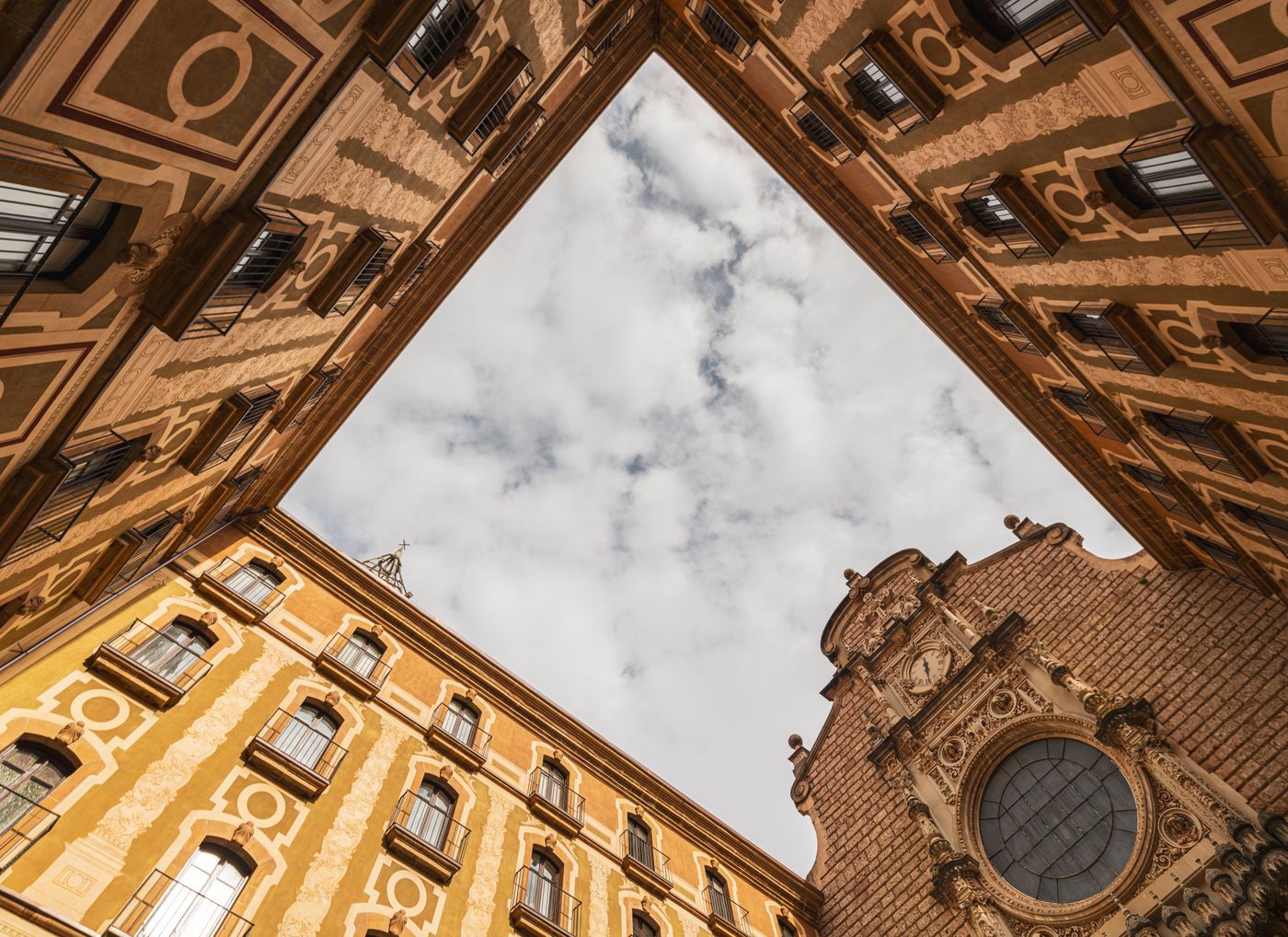
Where to stay in La Paz


Hotels in La Paz
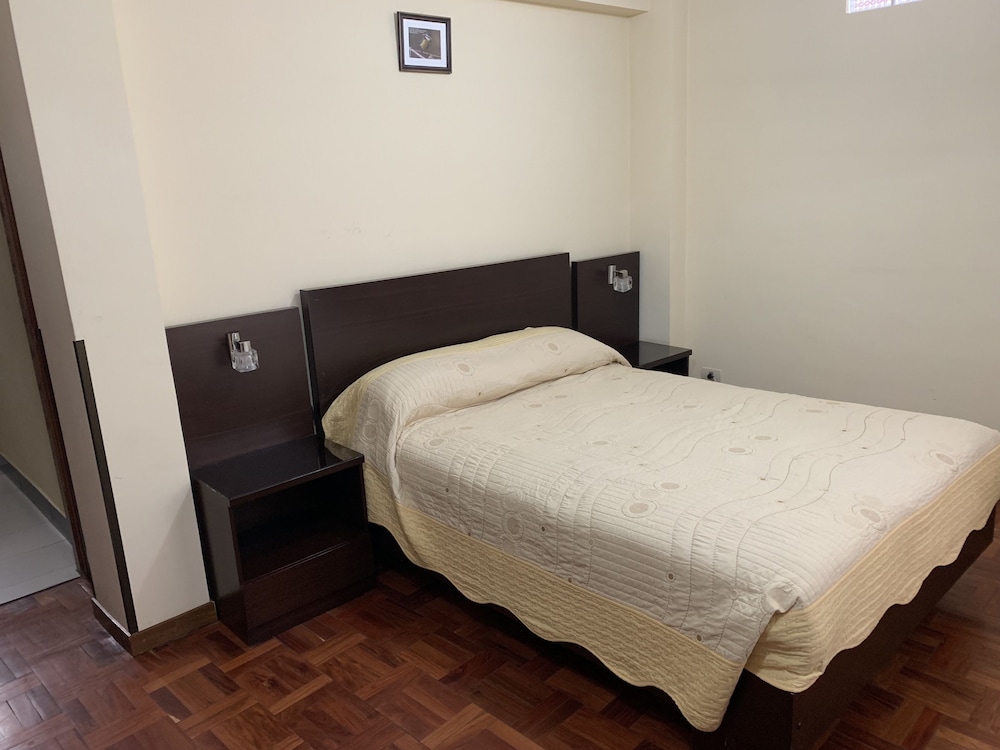
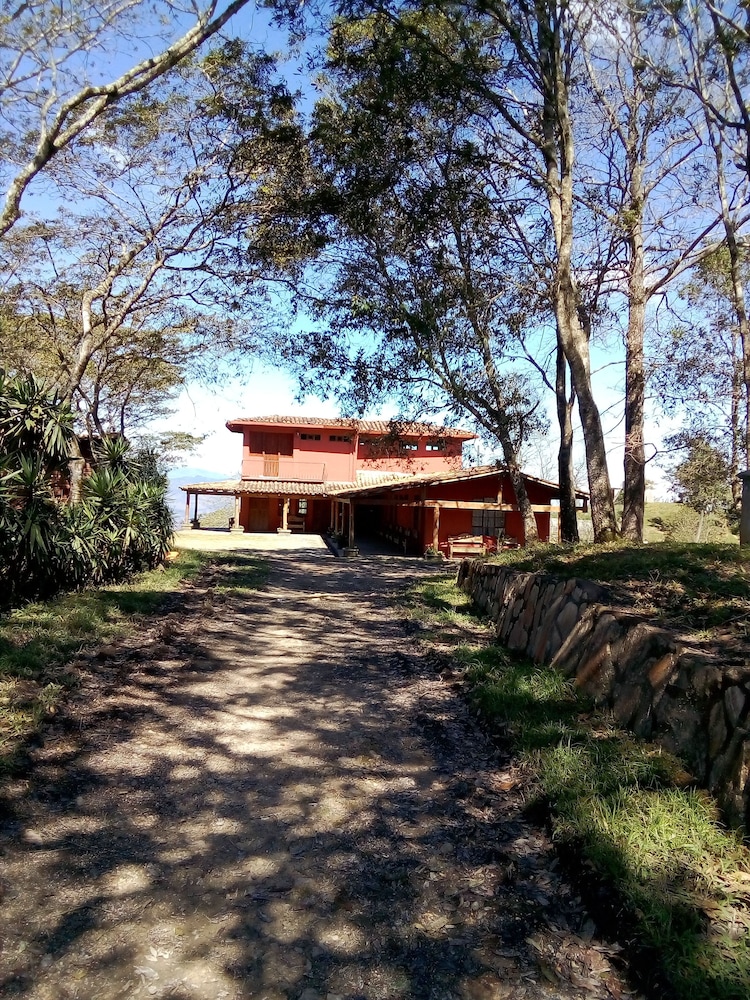
Trips worth planning around
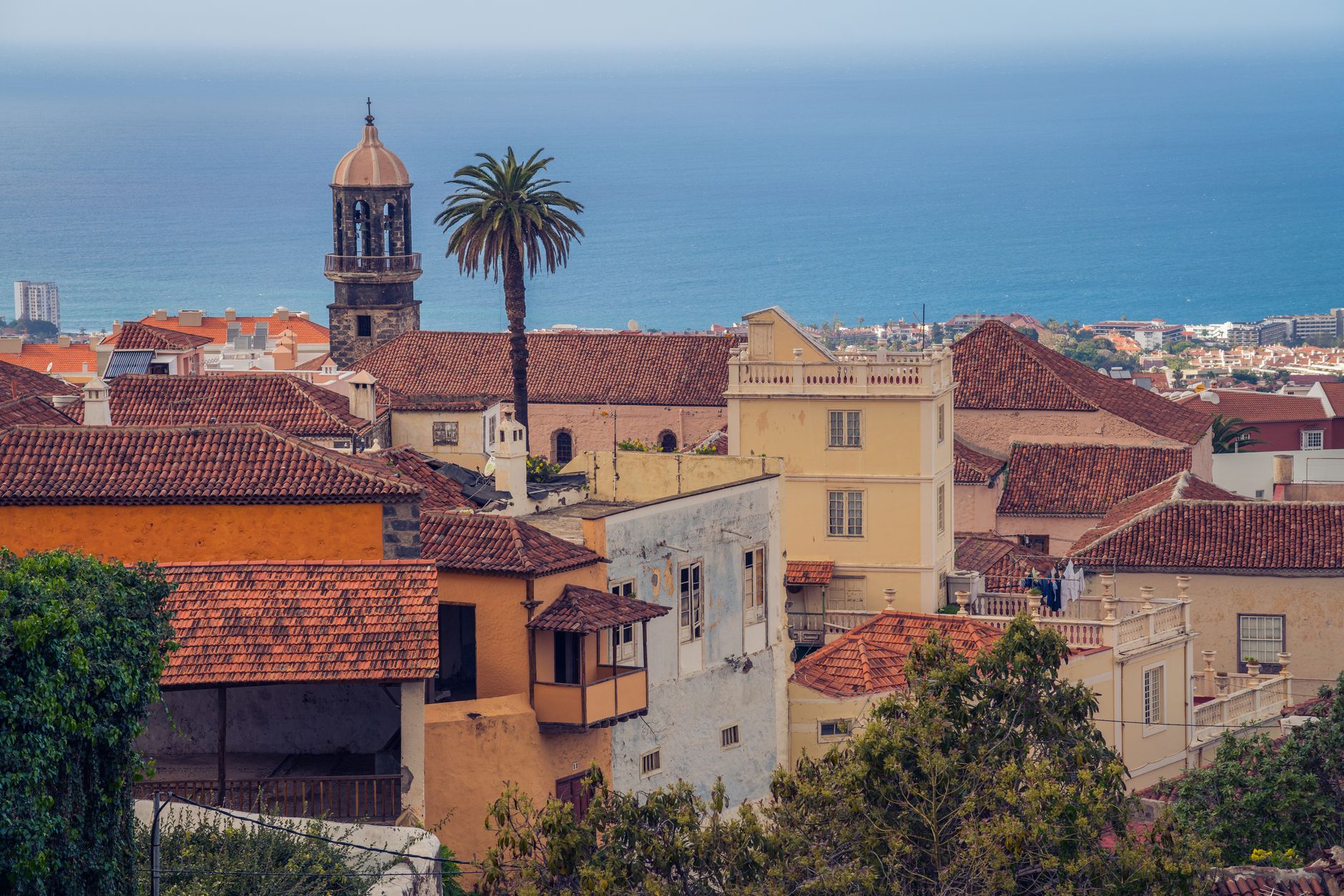


When to go
Median nightly rate, last 12 monthsFrom the journal
All posts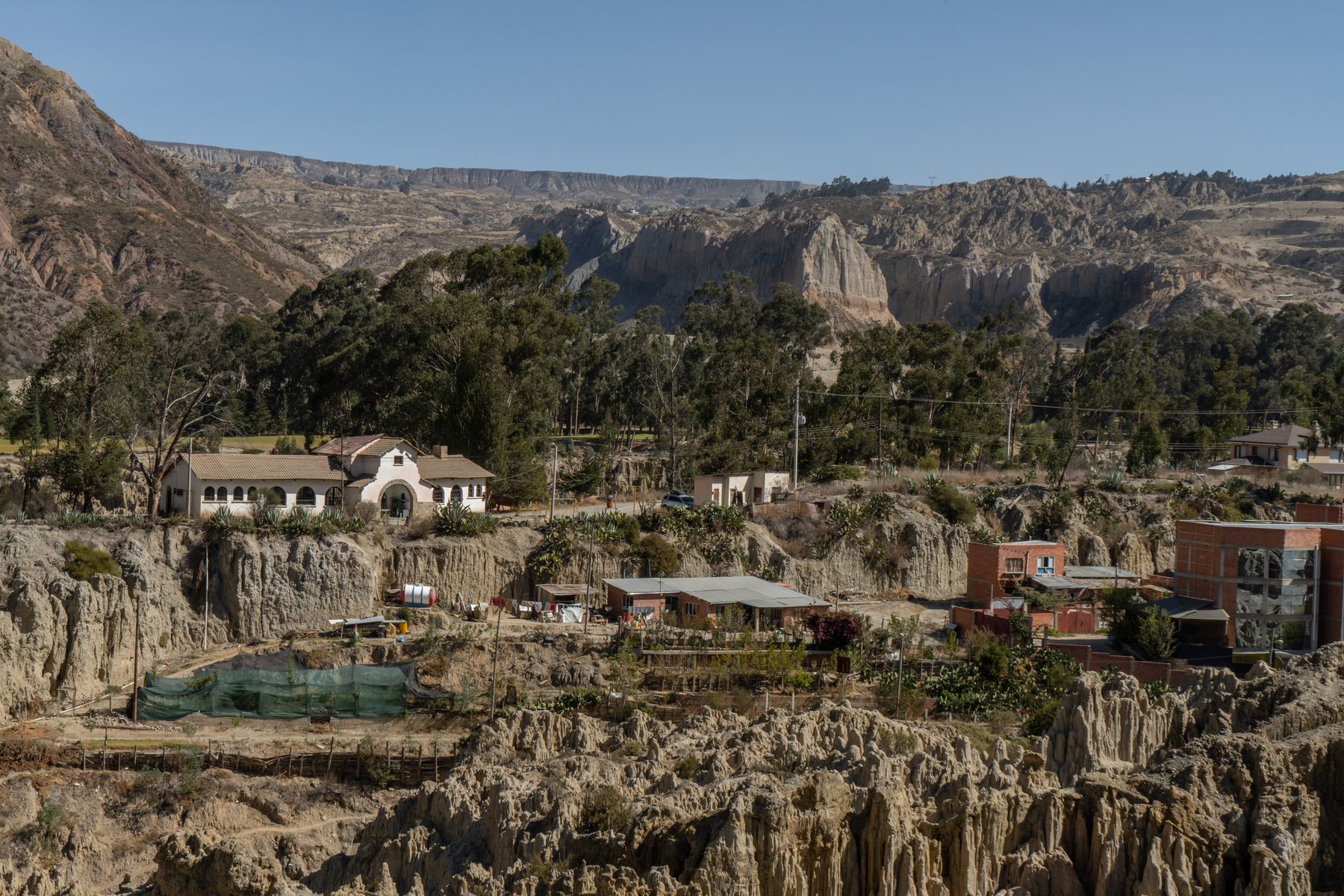 2026-08-17
Traditional Foods of La Paz, Honduras: The Complete Guide to Comidas Típicas & Where to Eat Them in 2026
2026-08-17
Traditional Foods of La Paz, Honduras: The Complete Guide to Comidas Típicas & Where to Eat Them in 2026
La Paz serves up some of Honduras's most authentic highland cuisine, from baleadas stuffed with beans and cheese to slow-cooked mondongo in the market, making this colonial town essential eating for anyone exploring the central mountains.
 2026-08-17
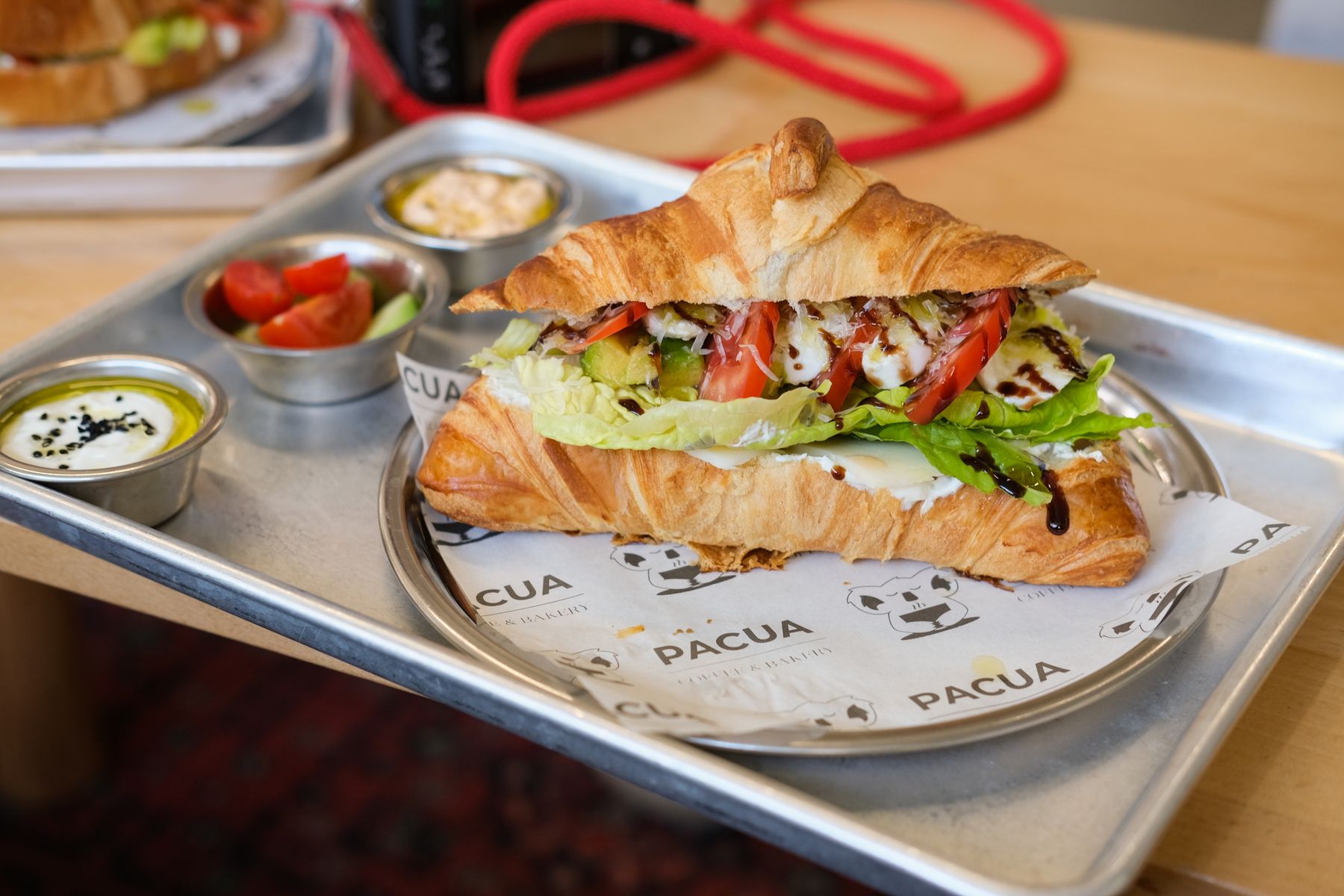
La Paz Cafe Brunch Guide: 7 Best Spots for Weekend Breakfast & Coffee in 2026
2026-08-17
La Paz Cafe Brunch Guide: 7 Best Spots for Weekend Breakfast & Coffee in 2026
From fifth-generation coffee roasters in Barrio El Centro to farm-to-table eggs on the Santa Elena plateau, La Paz's brunch scene rewards travellers who sleep in the department capital and explore its surrounding valleys.
 2026-08-13
La Paz cafe work spots: the best coffee shops with WiFi for digital nomads in 2026
2026-08-13
La Paz cafe work spots: the best coffee shops with WiFi for digital nomads in 2026
Where to actually get a day's work done across the department: the cooperative coffee shops around Marcala's parque central against La Paz Centro's plaza cafes, ranked on upload speed, opening hours and how long you can nurse a $1.50 cup.
 2026-08-12
La Paz coffee culture: roasters, baristas and where to drink a proper cup
2026-08-12
La Paz coffee culture: roasters, baristas and where to drink a proper cup
Honduras exports its best beans and long drank its worst, but in Marcala and the La Paz valley a small bean-to-cup scene now pulls espresso from single producers at $1 to $2.50 a cup — a fifth of what the same lot fetches in Europe.
Before you book
The questions we get most, answered with this month’s numbers.
01How cheap can hotels in La Paz, Honduras actually get?
Off-peak, in the September and October rains, simple double rooms with fan and private bath start around $18 to $28 a night. The two cheapest bases are La Paz city itself, within a few blocks of Parque Soberania, and San Pedro de Tutule on the Marcala road. Marcala runs slightly higher, roughly $25 to $40.
02When is the best time to visit La Paz?
The dry season runs November to April, with cool mountain nights above 1,300 metres in Marcala and Guajiquiro. Cheapest months are September and October, when rain is heaviest and rooms dip to about $18. Prices peak during Semana Santa and again over the December holidays, when a $25 room can ask $45.
03Where should I stay on a first trip?
La Paz city suits travellers who want cheap rooms, mototaxis and a 30-minute hop to Comayagua and Palmerola airport. Marcala suits coffee visitors and hikers heading for Cascada La Estanzuela, with guesthouses near Parque Peru from about $25. Nearby Comayagua adds colonial streets and rooms up to $50.
04How do I get around La Paz and the region?
Buses leave Comayaguela in Tegucigalpa for La Paz city all morning, around $3 for roughly two hours; Marcala services cost about $5. Mototaxis inside La Paz city are close to $1 a hop, and colectivos to Comayagua about $1.50. For Guajiquiro, Opatoro or the cave roads, a high-clearance vehicle genuinely helps.
05What do visitors get wrong about Marcala and Cueva del Gigante?
Cueva del Gigante is a protected archaeological rock shelter, not a walk-up attraction: you arrange a local guide in Marcala first, and the last stretch is dirt road plus a hike. Also note the coffee harvest, November to February, when buyers and cuppers fill Marcala guesthouses and $25 rooms vanish by midday.
06What does every booking removes a tonne of CO2 mean?
Every hotel booking made through this site funds one verified tonne of carbon removal through IMPT, at no extra cost to you. Same room, same hotel, same price as booking anywhere else, whether you pay $20 in La Paz city or $45 in Marcala at harvest time. The climate funding comes out of the commission, not your bill.
The places we send people first
 Cueva del Gigante
One of the most important archaeological rock shelters in Central America, where excavated layers pushed the story of maize and early farming in Honduras back thousands of years.
Featured
Cueva del Gigante
One of the most important archaeological rock shelters in Central America, where excavated layers pushed the story of maize and early farming in Honduras back thousands of years.
Featured
 Cascada La Estanzuela
The waterfall people in Marcala send you to: a cold, loud drop into a green pool at the bottom of a coffee valley, reached by a twenty-minute walk that anyone reasonably fit can do.
Featured
Cascada La Estanzuela
The waterfall people in Marcala send you to: a cold, loud drop into a green pool at the bottom of a coffee valley, reached by a twenty-minute walk that anyone reasonably fit can do.
Featured
 Parque Soberanía
The recreation park locals actually use in La Paz: a walking circuit, sports courts and shade trees a quarter of an hour from the central plaza, busiest at dusk and free every day of the year.
Featured
Parque Soberanía
The recreation park locals actually use in La Paz: a walking circuit, sports courts and shade trees a quarter of an hour from the central plaza, busiest at dusk and free every day of the year.
Featured
 Parque Peru Marcala
COFFEE CAPITAL
from $35
Parque Peru Marcala
COFFEE CAPITAL
from $35