What to Pack for a Cold Night in Guajiquiro
 What to Pack for a Cold Night in Guajiquiro
Guajiquiro sits high in the La Paz mountains, where nights can drop below 10°C — here is what to bring, what to leave, and where to stay before the climb.
Layers that work in Guajiquiro's mountain air
Guajiquiro's centre sits at roughly 1,600 metres, and the pine-covered ridges above town climb higher still. Even in the dry season (December to April), nighttime temperatures can fall to around 8–10°C, and in the rainy months of June to September the damp chill feels sharper. Pack a merino or synthetic base layer, a fleece or light down jacket, and a windproof outer shell. Cotton holds moisture and is a poor choice for a cold, possibly damp evening.
For walks between the guesthouse and the village square, bring closed shoes with grip — the cobbles can be slick after rain — and a warm hat and gloves. A small headlamp is useful because street lighting is limited outside the main square. If you plan to visit the nearby Lenca communities or the lookout points toward Marcala, add a scarf or buff for the wind on the ridges. You will not need heavy mountaineering gear, but a compact packable down jacket earns its place.
What to leave at home — and what to buy in La Paz
Do not bother with thick cotton pyjamas or a bulky sleeping bag unless you are camping. Most guesthouses in Guajiquiro provide blankets, but the rooms are unheated, so a thermal top and warm socks make more difference than a heavy coat once you are indoors. Leave formal shoes and heavy jeans at home; quick-drying trousers and a spare pair of socks are more practical. A reusable water bottle is essential, and a small thermos is handy for hot drinks on early starts.
Buy anything you still need in La Paz city before heading up. The Mercado Guajiquiro on Calle Francisco Morazán in La Paz sells fleece jackets, wool hats and thick socks at reasonable prices, and the nearby ferreterías stock cheap ponchos. The drive from La Paz to Guajiquiro takes about two hours on the CA-5 and then a winding paved road; there is no large shop once you leave the city, so stock up on snacks, cash (small notes) and any medication you rely on before setting off.
Where to base yourself before and after the cold night
Most travellers break the journey in La Paz city, which has the widest choice of hotels and reliable hot water. The centre around Parque La Paz and the streets off Calle 14 de Julio has several mid-range options, and the area near the Universidad Nacional Autónoma de Honduras is quieter but still walkable to restaurants. Expect to pay roughly L 600–1,200 per night for a double room with private bathroom and breakfast in the city centre; budget hostels near the bus terminal start lower.
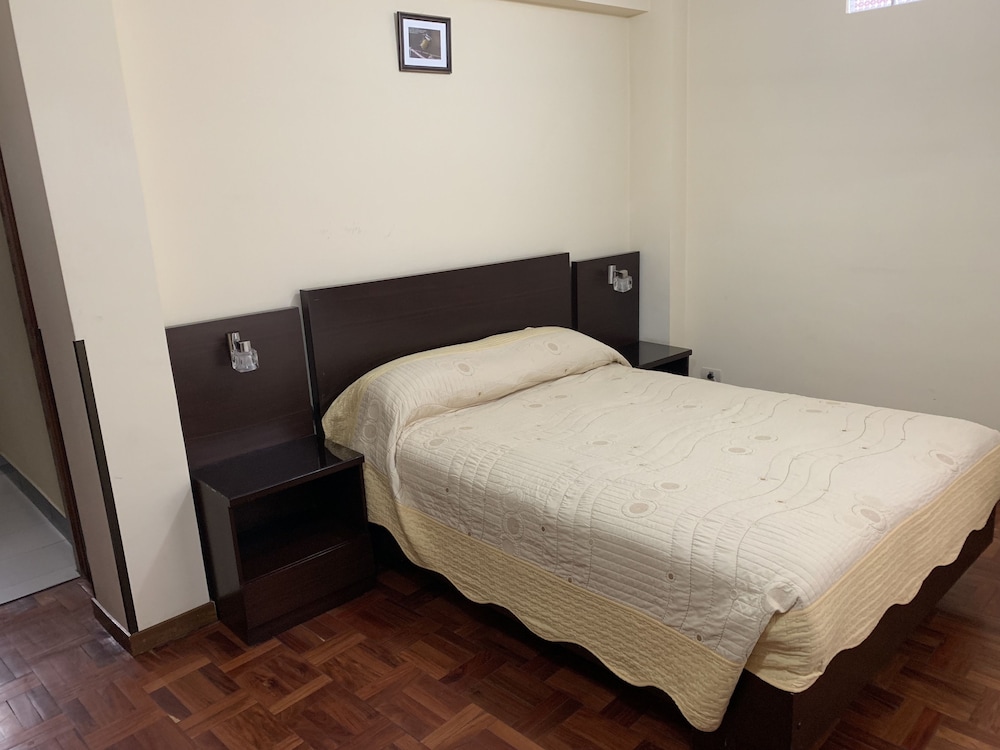
In Guajiquiro itself, accommodation is limited to a handful of simple guesthouses and community-run cabins around the central park. Rooms are clean but basic, with shared bathrooms in some cases, and blankets provided. Rates are typically L 300–600 per person per night, and hot water is not guaranteed — check before booking. I would book one night in La Paz city on arrival, then two nights in Guajiquiro, and a final night back in the city before an early flight or bus.
Timing your trip and getting the details right
The best months for clear, cold nights and dry trails are December through April. May and June bring pre-rain humidity, and September and October are the wettest. Weekends around local patron saint festivals can fill the few guesthouses in Guajiquiro, so reserve ahead if your dates coincide with a holiday. The climb from La Paz is steady; if you are driving, fill the tank in La Paz, as fuel stations are scarce beyond the city limits.
Cell signal in Guajiquiro is patchy — Claro and Tigo both work in the centre but fade on the trails. Download offline maps before you leave La Paz, and carry enough cash for the full stay, since card acceptance is rare. A power bank is worth the weight. For the return, buses from Guajiquiro to La Paz leave in the early morning and early afternoon; the journey takes around two and a half hours on rough roads, so plan your last night accordingly.
Before you book
The questions people ask about Guajiquiro, answered with this month’s numbers.
Nighttime temperatures in Guajiquiro often fall to 8–10°C between December and April, and can feel colder with wind and damp. In the rainy season, the chill is more penetrating. A warm layer, hat and socks are advisable year-round for evenings.
No. Guesthouses provide blankets, but rooms are unheated. A thermal base layer and warm socks are more useful than a sleeping bag unless you are camping. If you feel the cold, bring a compact fleece or down jacket for indoor use.
The Mercado Guajiquiro on Calle Francisco Morazán in La Paz city sells fleece jackets, wool hats and thick socks. Ferreterías nearby stock inexpensive ponchos. It is best to buy before heading up, as shops in Guajiquiro are very limited.
The drive takes about two hours via the CA-5 and then a winding paved road. Buses take around two and a half hours. Fuel stations are scarce beyond La Paz, so fill up before leaving the city.
Bring quick-drying trousers, a moisture-wicking base layer, a fleece, a waterproof shell, closed shoes with grip, a hat, sunglasses and a reusable water bottle. A small daypack with snacks and a headlamp is useful for early starts or late returns.
No. There are no ATMs in Guajiquiro, and card acceptance is very limited. Bring enough cash in small notes from La Paz to cover your entire stay, including meals, accommodation and transport.
December to April offers the driest and clearest weather, with cold nights and mild days. May and June are more humid, and September and October are the wettest. Reserve accommodation ahead if your visit coincides with a local festival.
Most travellers spend a night in La Paz city before and after visiting Guajiquiro, where accommodation is basic. La Paz has more hotels, reliable hot water and restaurants. Book a city hotel for arrival and departure, and a guesthouse in Guajiquiro for the mountain experience.