Walking Chinacla to San José in La Paz: A Practical Plan
 Walking Chinacla to San José in La Paz: A Practical Plan
A short, honest guide to the hillside walk between two La Paz villages, with the best months, the surfaces you will meet and where to base yourself afterwards.
What the Chinacla–San José walk actually is
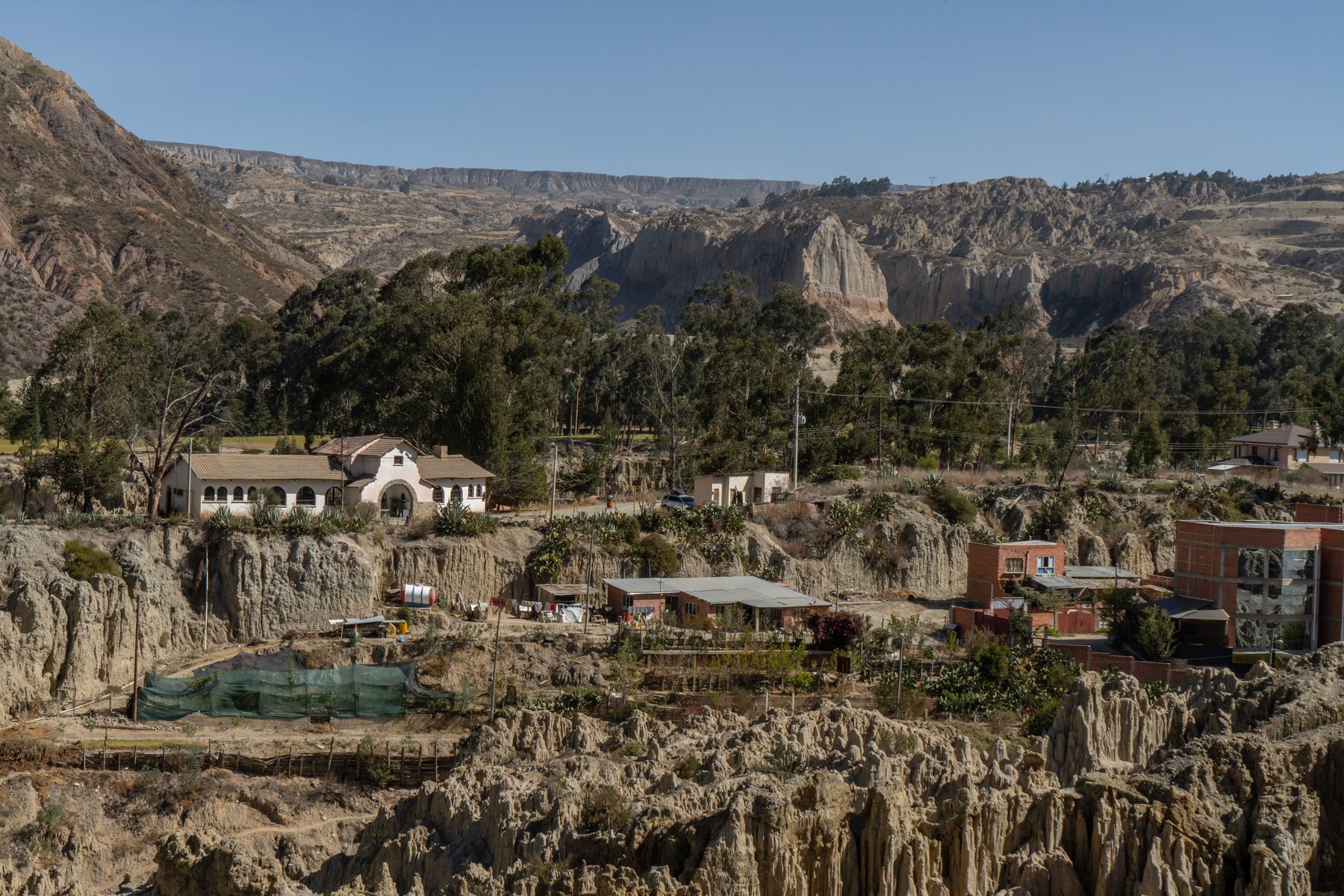
Chinacla and San José sit in the hills north of La Paz town, connected by a walking route that local families use daily and visitors can follow without a guide. Expect a mix of concrete lanes, packed dirt and short steep sections rather than a formal trail. The distance is modest — most walkers cover it in under two hours at an easy pace, with stops. Start early; cloud often builds over the ridge by late morning in the wet season.
The walking surface changes quickly. Village lanes are paved or cobbled, then the path narrows to dirt between smallholdings of maize and coffee. After rain the clay holds water, so footwear matters more than distance here. A pair of trail shoes with grip is enough; sandals are not. Carry water — the climb out of Chinacla is steady, and shade is patchy along the middle stretch before the descent toward San José.
When to go and how the weather behaves
The dry months from December to April are the most predictable for this walk. February and March are usually clearest, with views back across the La Paz valley on the return. The wet season, roughly May to October, brings afternoon showers and slick clay; mornings are often fine, so a dawn start is the sensible plan. November sits in between — green, quiet, and occasionally muddy. Whatever the month, a light rain shell earns its place in the bag.
Heat is rarely the problem at this altitude — it is sun and humidity together. UV is strong even under cloud, so a hat and sunscreen are worth carrying. If you are travelling with children or older walkers, the outbound climb is the harder half; consider walking one way and arranging a lift back to La Paz rather than doubling the route. Local transport along the main road is limited and inconsistent, so plan your return before setting off.
Basing yourself in La Paz town
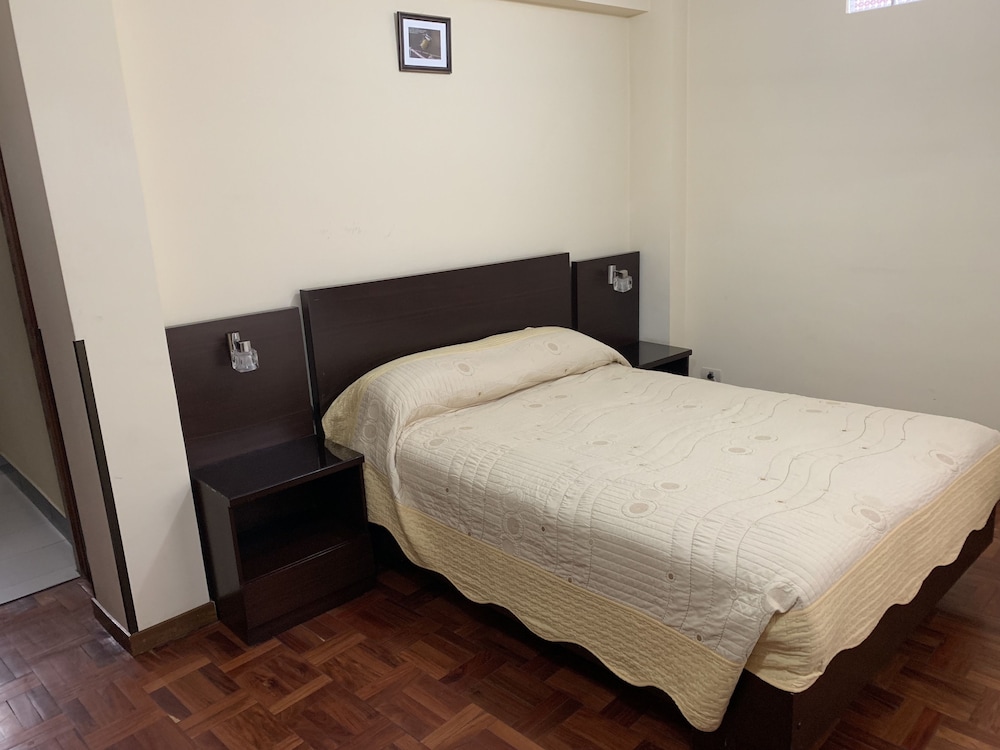
La Paz town is the natural base for this walk, and the right choice for most visitors. It has the practical things a walking trip needs — a reliable place to leave bags, early breakfast, and transport up to the trailhead side of the valley. The town centre around the central park is walkable, with banks and shops close by. Hotels here range widely in style, and mid-range rooms are the sweet spot for most travellers doing day walks in the surrounding hills.
Book two nights if this walk is your main reason for being here, or three if you also want the town and its market at an unhurried pace. Weekend demand is noticeably higher than midweek, so reserve ahead for Friday and Saturday arrivals. Because bookings for La Paz hotels through our site are still building — a handful of searches and hotel views a day at present — availability information changes quickly, and confirming dates early genuinely helps. Ask at your hotel about the current state of the path before you go.
Practicalities, and what to skip
Go with a local guide if you are unfamiliar with rural Honduras or walking alone. Villagers are used to the route but it is not waymarked in the European sense, and junctions between fields can confuse a first-time visitor. A guide also opens doors — a coffee farm visit or a meal in a home is far easier to arrange through someone known locally. Bring small notes for local purchases, and treat homes and churches as places people live and worship rather than sights.
What would I skip? Attempting this in the late afternoon in the rainy season — the clay gets slippery and light fades early. Skip the temptation to combine it with the furthest villages on the same day; the walking is short but the altitude makes it feel longer. And skip overpacking: a daypack with water, a snack, a hat and a rain layer covers it. Keep the plan simple, start early, and the walk rewards you with farmland views and a quiet that the town does not have.
Before you book
The questions people ask about La Paz, answered with this month’s numbers.
Most walkers cover the route in one and a half to two hours at an easy pace, including stops for views. Allow extra time if you are carrying a daypack or walking with children, and plan the return separately rather than assuming you will double back at the same speed.
Not strictly, but it is the better choice for a first visit. The route is not formally waymarked, and field junctions can mislead. A local guide also makes it easier to arrange a coffee farm stop or a meal in a village home, which many visitors find the highlight.
December to April is the driest stretch, with February and March usually offering the clearest views. May to October brings afternoon rain and slippery clay, though mornings are often fine. November is quiet and green, with occasional mud underfoot.
Trail shoes with real grip, light long trousers and a hat. Carry water, a snack, sunscreen and a light rain shell. The altitude means strong sun even under cloud, and the clay holds water after rain, so footwear matters more than the modest distance.
You can, but arrange it before you set off. Transport along the main road is limited and inconsistent, so relying on finding a lift at short notice is risky. Many visitors walk one direction and ask their hotel to help organise a return earlier in the day.
La Paz town is the practical base, with the widest choice of rooms and easy access to transport up the valley. Book two nights if the walk is your focus, three if you want the town at a relaxed pace. Weekend rooms fill faster, so reserve ahead for Friday and Saturday.
It can be, with adjustments. The climb out of Chinacla is the demanding part, so consider a one-way walk with transport back. Shade is patchy and the surface uneven in places, so allow more time and start early, before cloud builds over the ridge.
Avoid a late-afternoon start in the rainy season, when clay gets slick and daylight fades quickly. Skip combining this walk with the furthest villages on the same day, and skip heavy packing — a daypack with the essentials is all the route asks for.