San José in the Green Season: Walking, Weather and Stays in La Paz
 San José in the Green Season: Walking, Weather and Stays in La Paz
How the rains reshape a walk through San José de La Paz, what to carry, and which two hotels I would book for a wet-season stay.
What the Green Season Actually Does to a Walk in San José
San José sits in the hills above La Paz, reached by a paved road that climbs from the city centre past the Universidad Nacional Autónoma de Honduras campus and on through pine and oak. In the green season, roughly May to November, mornings usually start clear and the cloud builds by early afternoon, so a walking plan that begins at seven or eight almost always finishes dry. The rain arrives in short, heavy bursts rather than all-day drizzle, and the ground dries quickly on the exposed stretches.
What changes is the surface, not the route. The cobbled lanes around the church square and the slopes toward El Picacho become slick, and the clay on the unpaved paths holds water for hours after a shower. Traction matters more than waterproofing: a pair of shoes with a real tread beats a rain jacket you will take off by nine. Carry a light shell folded in a daypack, and build in a two-hour buffer so a downpour does not derail the afternoon.
Getting There and Getting Around Without a Car
From La Paz city, the trip to San José takes about twenty-five to forty minutes by road depending on traffic near the market and the university. Local buses and colectivos run the route through the day, and a taxi from the centre is a straightforward option for early starts. If you are staying in La Paz rather than in the hills, plan your walking day around a return trip before the afternoon storm, and confirm the last departure time at the bus stop in the morning, not late in the day.
Walking itself is the point. The lanes between the church and the outlying farms reward an unhurried two or three hours, with views back across the La Paz valley when the cloud lifts. Distances are short: the square to the edge of the built-up area is a walk of less than two kilometres, though the gradient makes it feel longer. Skip the temptation to link several hill villages in one day during the rains; the connecting tracks get muddy and the light fades fast by late afternoon.
Two Hotels I Would Book for a Green-Season Stay
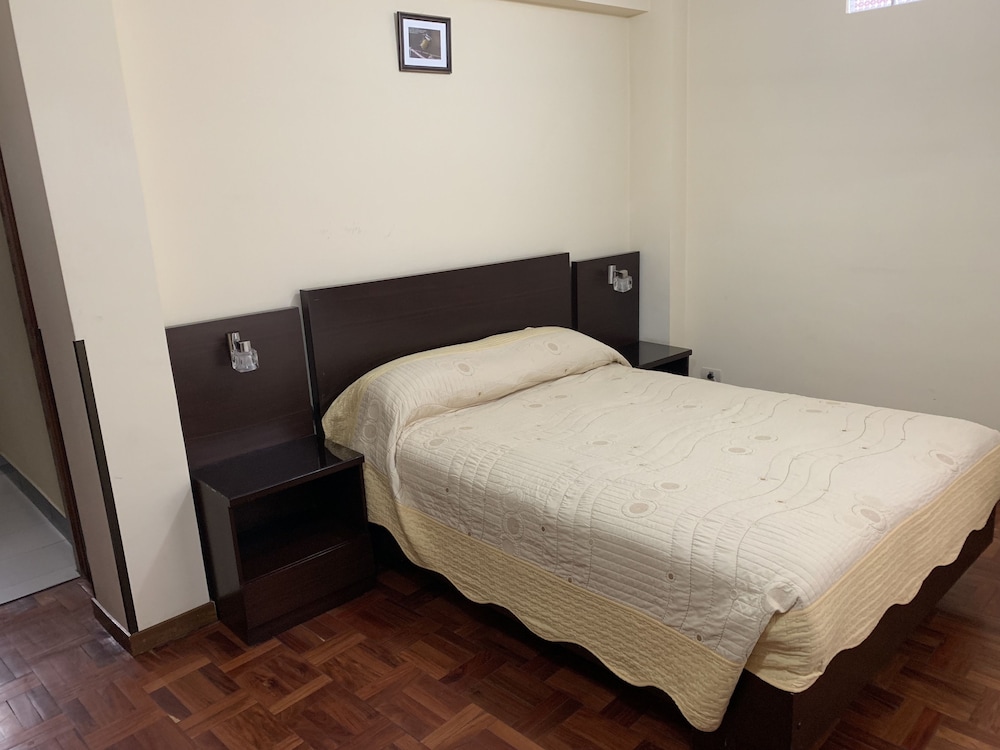
For a night in La Paz before or after the walk, I would book a mid-range city hotel near the centre, within a short walk of the Parque La Paz and the cathedral, with secure parking and a hot-water shower. Rates in this band typically run from around 700 to 1,200 lempiras per night for a double, with weekend and holiday dates at the upper end. Booking a specific date rather than a vague week matters in the green season, because rooms fill when university events or long weekends coincide.
For a slower stay, a smaller guesthouse on the San José road or in the hills above the city suits travellers who want the morning view and do not mind being away from restaurants. Expect roughly 500 to 900 lempiras per night for a double in this category, and always confirm the exact rate and cancellation terms for your dates before you commit. I would choose the city hotel for a two-night trip built around walking and the guesthouse for a longer, quieter stay with a car.
Timing, Packing and What to Skip
The green season is not uniform. September and October are usually the wettest weeks, with the heaviest afternoon storms, while May and June often bring rain that clears by evening. July and August can deliver a dry stretch known locally as the canícula, which is a good window for hill walking. Weekdays are quieter than weekends, and the light in the early morning after rain is the best you will get all year for photographs across the valley.
Pack a light rain shell, quick-drying trousers, a change of socks and a refillable bottle; buy water in La Paz before you climb. Skip open-toed sandals, skip the midday start, and skip any plan that depends on a fixed schedule you cannot move. If the cloud closes in and the path turns to clay, turn back rather than press on. The walk is best treated as a morning appointment with the weather, not a fixed itinerary.
Before you book
The questions people ask about La Paz, answered with this month’s numbers.
Broadly May to November, when afternoon showers are common. September and October usually bring the heaviest rain, while May, June and a mid-summer dry spell in July or August often give clearer mornings for walking.
The drive is roughly twenty-five to forty minutes depending on traffic near the market and university. Walking from the church square to the edge of the built-up area is under two kilometres, though the gradient makes it a steady climb.
No. Local buses, colectivos and taxis cover the route through the day. A car helps if you plan to stay in the hills or link several stops, but for a single walking day, public transport plus a taxi for an early start works well.
Shoes with real tread, quick-drying trousers, a spare pair of socks and a light rain shell folded in a daypack. Buy drinking water in La Paz before you climb, and leave the open-toed sandals at the hotel.
Mid-range city hotels typically run around 700 to 1,200 lempiras for a double, higher on long weekends and holidays. Smaller guesthouses on the San José road or in the hills often sit between 500 and 900 lempiras. Confirm the exact rate for your dates.
Late May and June, or a dry stretch in July and August, give the most reliable mornings. September and October are better for indoor plans, since the afternoon storms arrive early and stay longer.
The cobbled lanes around the church square drain reasonably well, but the unpaved tracks toward the farms hold water for hours. Traction matters more than waterproofing, and the ground usually firms up again by the following morning.
For a two-night trip built around walking, a city hotel near the Parque La Paz is simpler, with restaurants and transport on hand. For a longer, quieter stay with a car, a hill guesthouse rewards the early views.