La Paz coffee culture: roasters, baristas and where to drink a proper cup
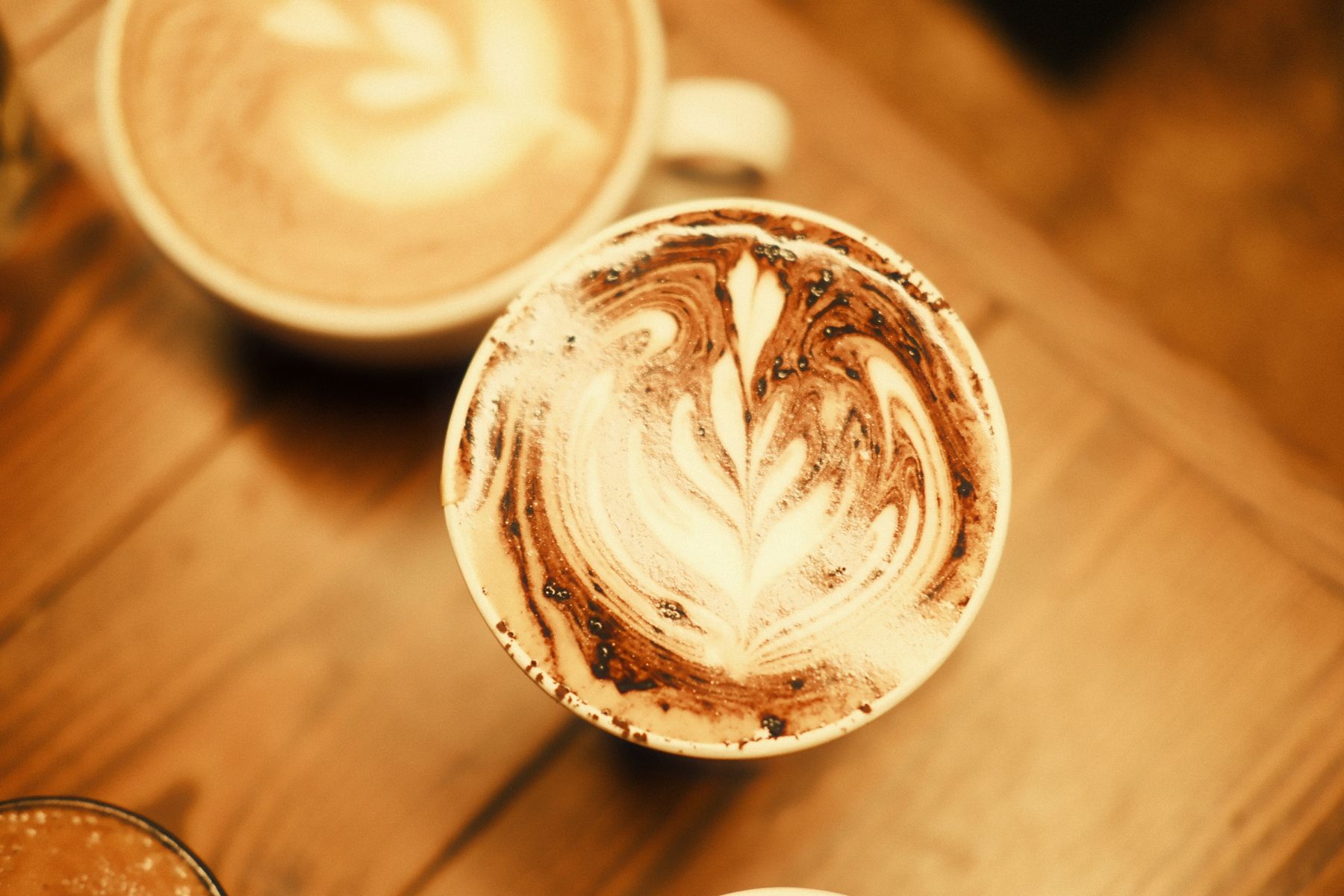 A cup of freshly brewed single-origin coffee on a wooden counter in a highland Honduran town
Honduras exports its best beans and long drank its worst, but in Marcala and the La Paz valley a small bean-to-cup scene now pulls espresso from single producers at $1 to $2.50 a cup — a fifth of what the same lot fetches in Europe.
The export paradox, and the cup that stayed behind
Honduras is the largest coffee producer in Central America, shipping roughly five to seven million 60-kilo bags a year, almost all of it green through IHCAFE-registered channels to buyers in Europe, the United States and Japan. Historically the domestic market drank the culls, the lowest grades roasted dark and served heavily sweetened, because export took everything worth drinking. In Marcala, where Café Marcala carries Honduras's first denomination of origin, that split was stark: washed lots scoring 84 to 88 points left for foreign roasters while town cafeterías poured bitter café con azúcar. Grasping that history is the point, because it explains why a genuinely good cup here felt rare until only recently.
What changed is producers holding micro-lots back to roast and sell locally. Cooperatives like COMSA and RAOS, aggregating hundreds of smallholders across Marcala, Chinacla, Santa Elena and Yarula at 1,200 to 1,700 metres, built their own roasting and retail, and a generation who studied at COMSA's own campus school came home as baristas rather than only pickers. The result is that you can now drink an 85-point washed lot two hundred metres from where it was milled, black, for about a dollar. That simply was not possible a decade ago, and it is the single reason a coffee-drinker, rather than a coffee-farmer, now has a reason to come.
Buying roasted beans: COMSA, RAOS and the co-op stores
The best-value roasted coffee in the department is sold at the cooperative offices in Marcala. COMSA, the Café Orgánico Marcala cooperative, runs a store on its campus at the edge of town where whole-bean bags of its organic lots run roughly $6 to $12 a pound, roasted in small batches and stamped with a roast date if you ask. RAOS, the other major cooperative, sells similarly from its office near the centre. Buy whole bean rather than ground, and ask for both the harvest and the roast dates; a bag roasted within the last two weeks is worth carrying home, one of unknown age is not, however pretty the packaging.
Prices scale with grade and processing. A standard washed organic lot sits at the bottom of that band; naturals, honeys and named single-producer micro-lots climb to $10 to $14 a pound, still a quarter of what the same coffee costs once a European roastery has bought, shipped and re-roasted it. Pay cash, because co-op stores may invoice for volume but will not run a card for a single bag, and leave luggage room, since most visitors who arrive meaning to buy one pound leave with five. Skip the sealed souvenir tins sold at Palmerola and Toncontín airports entirely: they cost roughly double and you cannot see a roast date through the foil.
Where to drink an espresso in Marcala
The drinkable-cup scene concentrates on the blocks around Parque Perú, Marcala's central square. A handful of cafés here pull espresso and brew filter from local micro-lots at $1 to $2.50 a cup, roughly a fifth of the London or New York price for the same beans. Order it black the first time and ask which producer and altitude it came from; a serious place answers with a name and a number, a weak one changes the subject, and that single question sorts them faster than any sign or chalkboard. Mornings are best, when the roast is freshest and co-op staff drift in for their own cup before the working day starts.
Know what you are avoiding. Plenty of ordinary comedores and cafeterías around town still serve the old domestic cup, dark, over-roasted and pre-sweetened, because that is what the local market drank for generations, and there is nothing wrong with it as long as you order it knowingly rather than judging Marcala's coffee on it. If a café cannot name its beans, walk two blocks; in a zone this small, specificity is the quality signal. Harvest season, November to February, is when town cups are at their sharpest, because the roasters are working through fresh parchment rather than last year's stored stock and the whole valley smells faintly of drying beans.
Coffee in La Paz city and the valley
The departmental capital, a working town of about 30,000 people eight kilometres from Comayagua and thirty minutes from Palmerola airport, has a far thinner speciality scene than Marcala two hours up the mountain. The best cups in the valley are found in a few cafés off the parque central and, more reliably, over in Comayagua, whose restored colonial centre supports several places pulling proper espresso for tourists visiting the cathedral and its 1630s clock. If you are basing yourself in La Paz city for logistics rather than charm, treat Comayagua as your coffee stop rather than expecting Marcala's density of good cafés on your doorstep.
What the valley does have is proximity to the roasters themselves. Marcala coffee travels down to La Paz and Comayagua wholesale, so a café here serving a named single origin is almost certainly pouring beans from the same COMSA and RAOS lots you could buy at source. The trade-off is freshness and price: expect $1.50 to $3 a cup, a little dearer than Marcala, and roast dates you cannot verify as easily. For a visitor splitting time, the honest plan is to drink and buy beans in Marcala, then coast on that supply through the week while you sleep cheaper down in the valley.
Baristas, IHCAFE and the bean-to-cup shift
The people behind the counter are the real story. IHCAFE, the national coffee institute, runs training and quality programmes, and Honduras has sent baristas and its coffees to World Barista and Cup of Excellence stages, where Marcala and neighbouring Santa Bárbara lots have scored among the country's best. Locally the shift shows in who is pulling shots: children of picker families who trained at COMSA's own school or through co-op cupping labs, now able to score a lot, dial in an espresso and tell you the processing method without hesitating. A decade ago that expertise stayed with the exporter and the foreign buyer; now a good part of it stands at the counter in town.
This matters to a visitor because it changes what a conversation over the counter can get you. Ask a Marcala barista where to pick in December, which co-op is running cuppings that week, or whose farm does the best honey process, and you will often get a direct introduction, because the person serving you is frequently a member's relative. That informal network is how most independent visitors end up on a working farm tour or at a cupping table, and it runs on the same one-dollar cup that anchors this whole scene. Buy the coffee, ask the question, and the rest of a coffee week tends to open up in front of you.
A coffee weekend, and what it costs
Build it as two days from La Paz city. Drive or ride the two-hour mountain road up to Marcala on a weekday morning, check into a town guesthouse at $18 to $30, and spend the first afternoon walking the blocks around Parque Perú, drinking one cup at each café that can name its producer until you have found the best in town. On day two, buy roasted bags at the COMSA or RAOS store before it fills with member deliveries, and slot in a co-op cupping at $10 to $20 if your dates land in the February-to-April scoring window when the tables are running anyway.
Total spend across a coffee-focused weekend, excluding transport but including two nights, food and every cup and cupping, runs roughly $80 to $140 per person, plus whatever beans you cannot resist. Carry small notes, because nobody in town keeps change for a 500-lempira bill and producers and comedores never take cards. Cooler nights around 10 to 14 degrees from December to February make the hot cup more welcome and coincide with peak harvest, so if you can choose your dates, come then: fresh roast in the cup, working mills a short drive out of town, and drying patios visible from every road you take out of Marcala.
Before you book
The questions people ask about Marcala, answered with this month’s numbers.
At the cooperative stores in Marcala. COMSA and RAOS both sell whole-bean organic lots for roughly $6 to $12 a pound, roasted in small batches. Buy whole bean, ask for the roast date, pay cash, and skip the sealed airport souvenir tins, which cost about double and hide the roast date.
A little, but thin. The capital has only a few cafés off the parque central; for reliable espresso in the valley, Comayagua eight kilometres away is a better bet, thanks to its tourist-facing colonial centre. The real speciality density sits in Marcala, two hours up the mountain, around Parque Perú.
About $1 to $2.50 for espresso or filter brewed from local micro-lots, roughly a fifth of the London or New York price for the same beans. Order it black, ask which producer and altitude it came from, and go in the morning when the day's roast is freshest and co-op staff are in.
November to February for the harvest, when town cups are sharpest and mills a short drive out are running. February to April is the best cupping window, as the year's lots are scored for buyers. Avoid September, when the farms are green, the mills idle and the mountain roads at their worst.