Comida Típica de La Paz, Honduras: What to Eat, When, and Where to Stay
 Comida Típica de La Paz, Honduras: What to Eat, When, and Where to Stay
A practical guide to eating well around La Paz town and the coffee hills of Marcala, with timings that match real market and kitchen hours.
Eating in La Paz Town
Mornings in La Paz center revolve around Parque Central and the streets near the Iglesia Nuestra Señora de La Paz, where comedores open by 6:30 for baleadas, tajadas con pollo, and atol de elote or chilate served warm from clay jarras. Breakfast service tends to wind down by 9:30, so arrive early if you want the freshest tortillas. Street carts selling pastelitos and quesadillas hondureñas appear mid-morning near the market, which runs busiest on Thursdays and Sundays when vendors from surrounding aldeas bring produce, cheese, and cuajada into town.
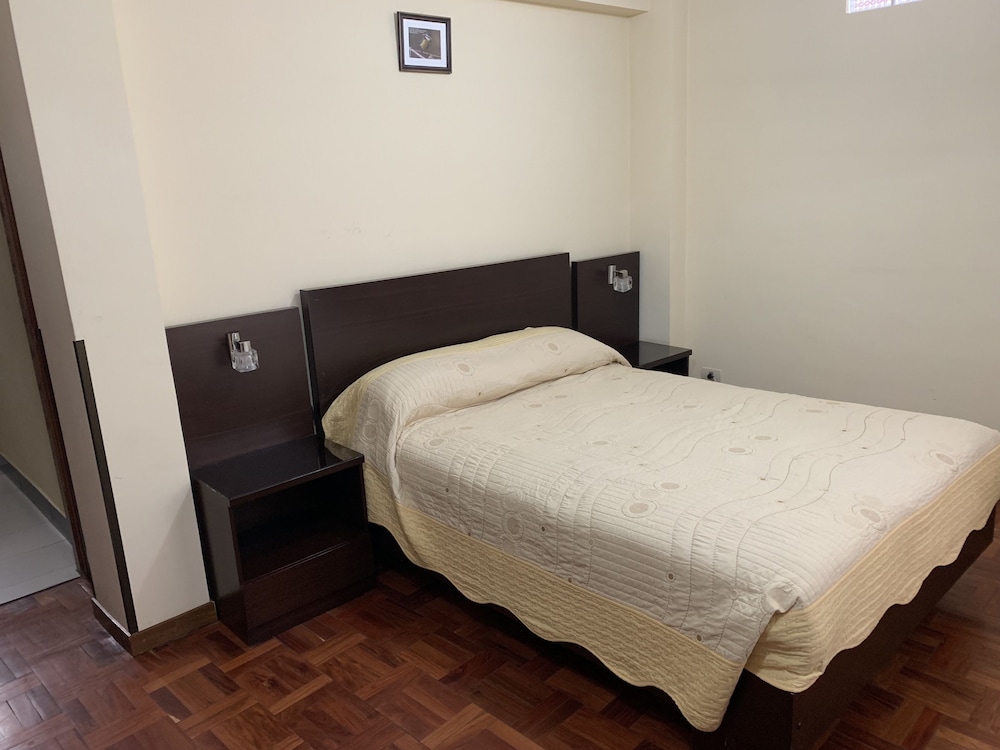
Lunch is the main meal, usually served between noon and 2:30 in small family-run comedores along the road toward Comayagua. Expect plates built around carne asada, mondongo, or sopa de res, plus rice, beans, and curtido on the side. Dinner is lighter and earlier than in Tegucigalpa, often just baleadas or tamales by 7 or 8 pm, with most kitchens closed by 9. If you're staying in La Paz overnight, booking a hotel near the park puts you within walking distance of nearly all of this, saving a drive after dark on unlit rural roads.
Marcala and the Lenca Coffee Towns
About an hour and a half southwest of La Paz town, Marcala sits in coffee country and has its own food identity tied to the harvest calendar, which runs roughly November through February. Comedores here lean on chilate con alfeñique, pollo con tajadas, and fresh cuajada from nearby fincas, often paired with locally roasted coffee rather than instant. Market mornings in Marcala start early, around 5:30, as pickers and traders pass through before heading into the hills, so breakfast stalls are busiest well before 8.
The road between La Paz and Marcala, part of the wider Ruta Lenca, also passes smaller communities where Lenca cooking traditions are stronger, including tamales wrapped in plantain leaf rather than corn husk. These are easiest to find on weekend market days rather than weekdays. If your plan includes both towns, basing yourself in La Paz and day-tripping to Marcala works better than the reverse, since La Paz has more lodging choices and a shorter drive back to Tegucigalpa or Comayagua afterward.
What Food Actually Costs
Meals in La Paz and Marcala run noticeably lower than in Tegucigalpa or San Pedro Sula, with a filling comedor lunch costing meaningfully less than the same plate in a capital restaurant. Street food like baleadas and pastelitos is the cheapest option and widely available from breakfast through early evening. Sit-down restaurants are rare outside the town centers, so most visitors eat where locals eat, which keeps quality high and prices honest even without printed menus.
Dry season, from November through April, is the easiest time to travel this stretch of Honduras, with better road conditions and clearer mornings for the drive along the Ruta Lenca. Rainy months can slow travel between La Paz and Marcala, so build in extra time if you're visiting a market on a specific day. Whichever town you prioritize, a hotel in La Paz gives you a central, walkable base for both the town's own food scene and excursions into the coffee hills.
Before you book
The questions people ask about La Paz, answered with this month’s numbers.
Most open around 6:30 am for breakfast, serve lunch from noon to 2:30, and close by 8 or 9 pm after a lighter dinner service, earlier than typical city hours.
Yes, it's about 90 minutes away and known for coffee-era cooking and chilate con alfeñique, best visited on a market morning before 8 am for the freshest food.
A car helps for Marcala and smaller Lenca villages, but La Paz town itself is walkable, with most comedores and market stalls within a few blocks of Parque Central.