Chinampa's Hot Months: Planning a La Paz Trip Around the Heat
 Chinampa's Hot Months: Planning a La Paz Trip Around the Heat
How the dry, bright weeks in and around La Paz, Honduras shape a hotel stay, with neighbourhoods, timings and a realistic budget band for each season.
What 'Hot' Actually Means in La Paz
La Paz sits in a highland valley in Honduras, roughly 1,100 metres above sea level, so its hottest weeks are warm rather than coastal. The driest, brightest stretch generally runs from February into April, when midday sun is strong, shade is scarce on open ground, and afternoons feel still. Daytime temperatures in that window commonly sit in the high twenties Celsius, dropping sharply after dark. The rainy season from roughly May to October brings cloud, afternoon showers and greener hills, with cooler mornings.
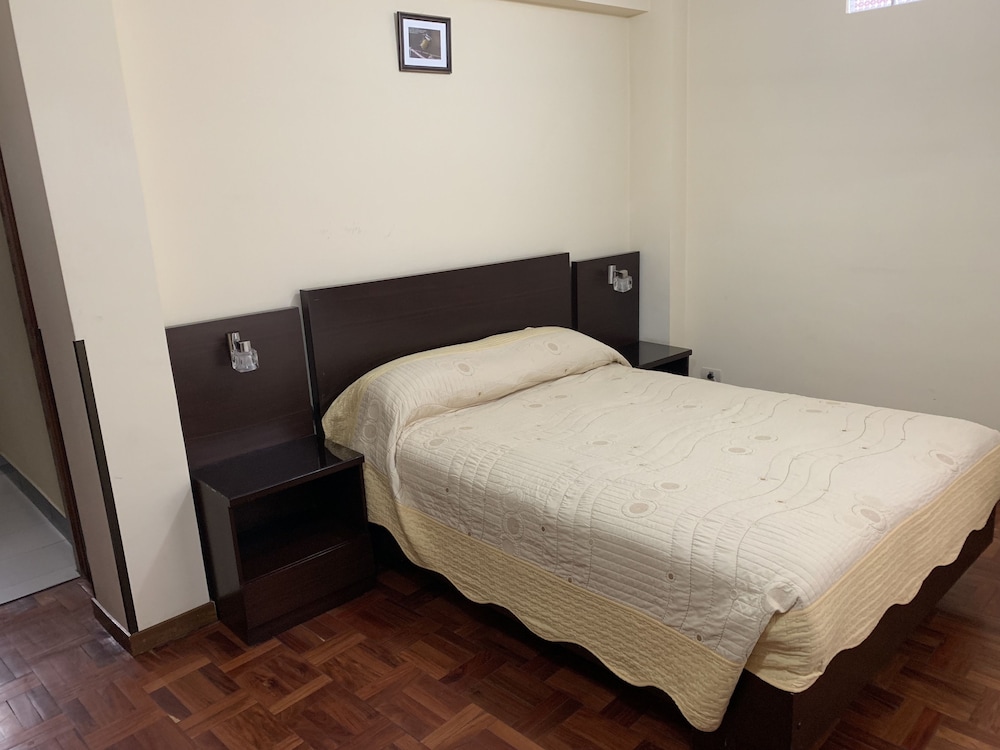
That matters for planning because heat here is mostly a middle-of-the-day problem, not an all-day one. Mornings and evenings stay comfortable enough for walking the town centre, the streets around Parque La Merced and the market blocks near the main road. Build your day around early starts and late strolls, and treat 11am to 3pm as indoor or shaded time. Hotels with courtyards, ceiling fans and cross-ventilation handle this far better than rooms facing unshaded concrete.
Where to Base Yourself in La Paz
The city centre is compact and walkable, with the cathedral, the municipal buildings and Parque La Merced within a few blocks of each other. Staying centrally puts you near the market, banks and bus connections to Tegucigalpa and Marcala, which is useful if you are moving on. Expect a broad band of small hotels and guesthouses rather than international chains, with simple double rooms typically in the lower-to-middle range for the country, and slightly higher rates around local holidays and Semana Santa.
If you want cooler nights, look at the edges of town and the higher lanes heading toward the surrounding hills, where breezes are better and traffic noise drops. A short ride out of the centre gets you to quieter spots with gardens, but you then depend on taxis for evening meals. My recommendation for a first visit is a central hotel with a shaded interior courtyard: you keep the walkability, and you have somewhere genuinely pleasant to sit out the hottest part of the afternoon.
Timing Your Trip and Your Day
February to April is the classic dry window and the best time to be outdoors early. It is also when you should book ahead, because weekend demand from domestic travellers picks up and smaller properties fill. May to October trades guaranteed sunshine for afternoon rain, usually arriving in the afternoon and clearing by evening; mornings often stay clear, and the countryside toward the Valle de Ángeles road turns green. November to January is cooler, with occasional damp days and heavier cloud.
Whichever month you pick, plan transport for the morning. Buses and shared shuttles toward Tegucigalpa, Marcala or the southern highlands are more comfortable before the heat builds, and afternoon departures in the rainy season can run late. Keep a light layer for evenings, since highland nights cool down noticeably even in April. And check whether your hotel room has a fan or air conditioning before booking, because not every budget property in the centre does.
Costs, Rates and What to Skip
Hotel rates in La Paz generally sit in the moderate band for Honduras, with simple doubles cheaper than equivalent rooms in Tegucigalpa or the Bay Islands. Prices rise around Semana Santa and the December holidays, and drop in the wetter shoulder weeks of May and September. Ask for the total including taxes when you enquire, and confirm whether breakfast is included, as many small properties offer it. Rates vary by property, so treat any quote from a hotel as the only reliable figure.
Skip trying to see La Paz as a day-trip from the capital if you want more than a quick look; the road to Tegucigalpa is roughly two hours depending on traffic and checkpoints, and doing it in a hot afternoon is tiring. Also skip ambitious midday hikes with no shade. Instead, use mornings for the market and the centre, and keep afternoons for your hotel courtyard, a long lunch, or a short drive to nearby viewpoints, saving the longer excursions for cooler hours.
Before you book
The questions people ask about La Paz, answered with this month’s numbers.
The driest, brightest stretch generally runs from February into April, with strong midday sun and still afternoons. Daytime temperatures commonly reach the high twenties Celsius, while nights stay noticeably cooler because of the valley's elevation.
Not always, but ask before booking. Many small hotels rely on fans and cross-ventilation, which is usually enough at night. If you are sensitive to heat or travelling in March or April, confirm air conditioning is available in the room type you are reserving.
The drive is roughly two hours depending on traffic and road conditions. Morning departures are more comfortable in the hot months, and buses running this route are generally more punctual before midday than in the afternoon.
February to April offers the most reliable dry weather, though you should walk early and late. From May to October, mornings are often clear before afternoon showers, which suits walkers who start early and keep plans flexible.
Yes. Demand from domestic travellers rises around Semana Santa and the December holidays, and smaller properties fill first. Rates in the wetter shoulder weeks of May and September are generally lower, though exact figures vary by property.
Keep 11am to 3pm for indoor or shaded time. A hotel courtyard, a long lunch, or a short drive to a nearby viewpoint works well. Save market browsing, the town centre and any walking for the cooler morning and evening hours.
It works well for the southern and central highlands, with connections toward Marcala and the Valle de Ángeles road. Plan longer drives for the morning, and allow extra time in the rainy season when afternoon conditions can slow journeys.
For February to April and around public holidays, yes, especially for smaller guesthouses. In quieter weeks you can often book a few days ahead, but confirming the room's fan or air conditioning and the total rate in advance saves difficulty on arrival.