A Rainy Day in Cabañas Without a Car: Indoor Plans in La Paz, Honduras
 A Rainy Day in Cabañas Without a Car: Indoor Plans in La Paz, Honduras
When the afternoon storms roll over the Valle de Comayagua, La Paz town gives car-free travellers a dry, walkable set of options — here is how to spend the hours until the clouds break.
Start with the covered market and the streets around Parque Central
La Paz sits at roughly 750 metres on the road between Comayagua and Marcala, and its wet season runs from May through October, with September and October the heaviest. When the rain sets in, head for the Mercado Municipal a couple of blocks from Parque Central. The covered aisles keep you dry while you browse coffee, rosquillas en miel and household goods, and the comedores inside serve a hot plate of baleadas or tajadas for a few dollars — one of the cheapest dry seats in town.
From the market, the arcades and shopfronts along the roads facing Parque Central give you short, linked dry stretches. The parish church on the square is the town's landmark and worth a look if the doors are open. Cafés and bakeries within three or four blocks of the park serve Honduran coffee from the surrounding hills; a cup costs a fraction of what you would pay in a city hotel. Skip the walk to the Mirador if it is raining — the paths get slick and the view disappears.
A half-day in Comayagua if the weather clears
Comayagua is about 40 minutes north by car or bus on the CA-5, and its colonial centre — the cathedral with the oldest clock in the Americas, the churches and the small museums around Parque León Alvarado — holds up well on a grey day. Buses leave from the terminal near La Paz's entrance road; ask locally for the current schedule and fare rather than relying on what you read online. Leave in the morning if the sky looks merely overcast; afternoon storms here are sudden and heavy.
If the rain has already started, do not attempt the trip on a whim. The road is fine, but you will arrive with wet shoes and a short window before things close. In La Paz itself, a better fallback is the covered sports court and the small library or cultural rooms near the town centre, where you can wait out a squall for an hour at no cost. Ask at your hotel reception — staff usually know which indoor spaces are open that day.
Where to base yourself for a wet-weather stay
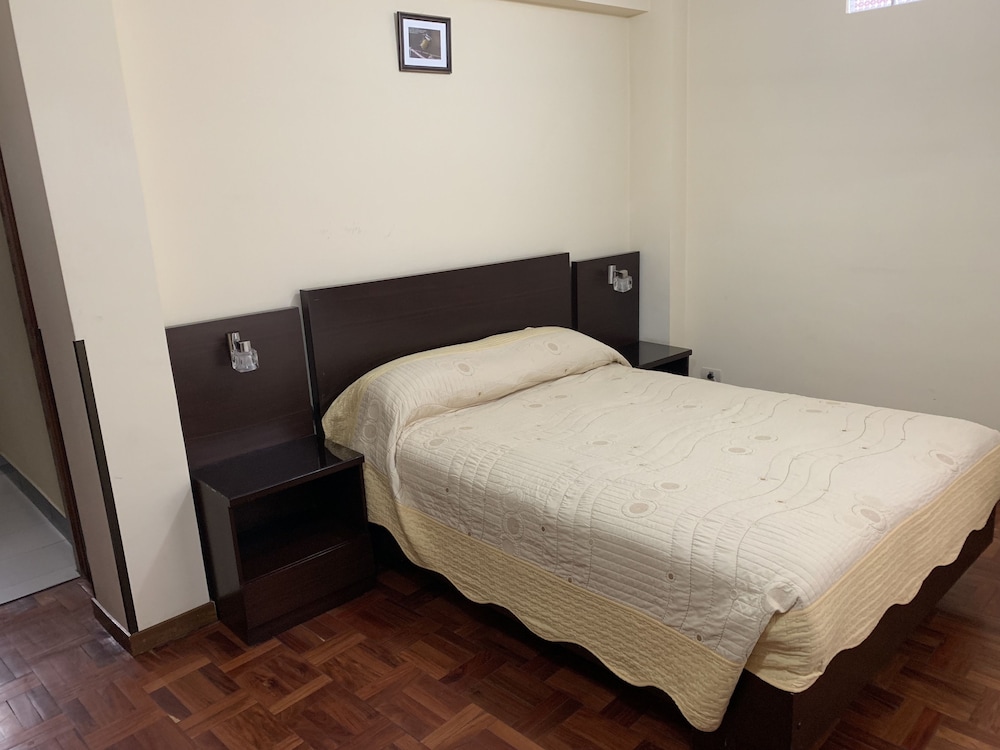
Because La Paz is compact, almost any hotel within a few blocks of Parque Central puts you inside walking distance of the market, the church and the cafés. Expect the town's hotel rates to sit well below Comayagua's city rates and far below Tegucigalpa's; the range is roughly budget to mid-range, and a clean room with hot water and Wi-Fi is the realistic standard rather than a guarantee. Confirm hot water and Wi-Fi when you book, because both can vary.
For a two-night rainy-season stay I would book a mid-range place within four blocks of the park, and ask on the booking form for a room away from the street. Bring a compact umbrella and shoes that dry overnight; the town's pavements drain unevenly and puddles linger at the corners. If you are arriving by bus, note that the terminal is on the edge of town — arrange a short taxi ride to your hotel rather than walking with luggage in the rain.
Timing, transport and a note on Tela
July and August bring a brief drier spell in this part of Honduras, but May, June, September and October are reliably wet, and rain usually arrives in the afternoon and clears overnight. Mornings are your window: do your walking, market shopping and café sitting before midday, then keep the afternoon light. Buses and colectivos run through La Paz to Comayagua, Marcala and Tegucigalpa; confirm departure times at the terminal the day before, since schedules shift and online listings are often out of date.
Travellers sometimes ask about the north coast, but Tela and the Caribbean beaches are a separate trip — a long day of driving via San Pedro Sula, not a rainy-day detour from La Paz. Keep this stay in the highlands and enjoy the coffee country around Marcala, where finca visits are best booked for a dry morning. Book your La Paz hotel early in the wet season, confirm the cancellation terms, and keep a paper copy of your booking in case mobile signal drops during a storm.
Before you book
The questions people ask about La Paz, answered with this month’s numbers.
Rarely. In the May-to-October wet season, rain usually builds in the afternoon and clears overnight, so mornings are often dry. September and October are the wettest months. Plan walks and market visits before midday and keep afternoons flexible.
The centre is compact and walkable. Short taxi rides cover the bus terminal and outlying streets. Ask your hotel to call a taxi rather than hailing on the street in heavy rain, and carry an umbrella for the uneven pavements.
The Mercado Municipal and its comedores, the arcades around Parque Central, the parish church and local cafés are the practical options. Ask at reception about covered sports courts or cultural rooms open that day.
Yes, if the morning looks merely overcast. Comayagua is about 40 minutes north on the CA-5, and its cathedral and colonial centre suit a grey day. Confirm bus times locally and return before the afternoon storms.
July and August bring a drier spell. The most reliable dry months fall in the November-to-April period. If you visit in the wet season, aim for mornings and expect afternoon showers.
A compact umbrella, quick-drying shoes, a light waterproof layer and a dry bag for electronics. Evenings are mild at this altitude, so a light jumper helps. Confirm hot water and Wi-Fi with your hotel before booking.
La Paz sits on the Comayagua-to-Marcala road, roughly two to three hours from Tegucigalpa by road. San Pedro Sula is a longer drive north. Check schedules at the terminal the day before travel, as timings vary.
Yes. Booking ahead in the wet season secures a room within walking distance of the centre and lets you confirm cancellation terms. Ask for a room away from the street and check hot water and Wi-Fi before you pay.